Creating a new site to support differentiated spelling based on joy Alcocks Spelling Under Scrutiny
https://sites.google.com/a/takanini.school.nz/spelling-takanini/
Showing posts with label collaboration. Show all posts
Showing posts with label collaboration. Show all posts
Friday, 27 May 2016

Tuesday, 17 November 2015
ELN 2015
Reflecting on the journey during 2015 with the Eastern Learning Network with the focus on teachers as inquirers.
As a cluster of schools there has been a big focus on how to engage effectively with teaching as inquiry- from a teacher perspective and as a leadership. Through the year there has been facilitators from AUT supporting and guiding thinking, along with Maggie Ogram.
towards the end of term 3 a survey was constructed, with the input from leaders and teachers from the participating schools. This survey was then created and put out to the teachers and leaders from the schools in order to gather data around MLP and the development of this and also teaching as inquiry.
In term 4 the facilitators from AUT collated and analysed the data to give feedback to our schools that help us to see where we are and what gaps we have. This has given us the information we need as a cluster and as individual schools in order to align our resourcing and PLD in order to build these areas on into 2016.
Of all the areas of data there are some that are not surprising, for example -time- an ongoing battle for all schools to provide their teachers with enough time to engage in pld that impacts positively with their practice.
And some that are areas that either fall above or below the predicted levels given our school's journey and where we are on that journey. For example, the extent to which the collaborative inquiry has enhanced collaboration and capacity to reflect is high and the happiness with their appraisal process is lower than is being espoused within the school grounds.


As a cluster of schools there has been a big focus on how to engage effectively with teaching as inquiry- from a teacher perspective and as a leadership. Through the year there has been facilitators from AUT supporting and guiding thinking, along with Maggie Ogram.
towards the end of term 3 a survey was constructed, with the input from leaders and teachers from the participating schools. This survey was then created and put out to the teachers and leaders from the schools in order to gather data around MLP and the development of this and also teaching as inquiry.
In term 4 the facilitators from AUT collated and analysed the data to give feedback to our schools that help us to see where we are and what gaps we have. This has given us the information we need as a cluster and as individual schools in order to align our resourcing and PLD in order to build these areas on into 2016.
Of all the areas of data there are some that are not surprising, for example -time- an ongoing battle for all schools to provide their teachers with enough time to engage in pld that impacts positively with their practice.
And some that are areas that either fall above or below the predicted levels given our school's journey and where we are on that journey. For example, the extent to which the collaborative inquiry has enhanced collaboration and capacity to reflect is high and the happiness with their appraisal process is lower than is being espoused within the school grounds.


Wednesday, 29 July 2015
Plg- what is collaboration ?
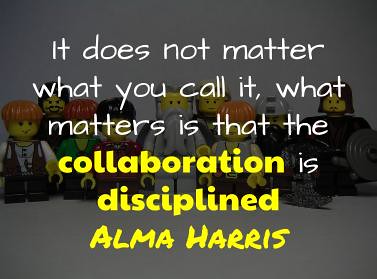
Alma Harris Disciplined collaboration
The concepts that are delved into are very similar to many other researchers findings I have read and also the day spent recently with Roween Higgie at the EAAPA leadership day Leading from within
The 3 key ideas are
Implementation
Innovation
Impact

7 tests
Clarity of focus
Consistent and creative use of data
Collaboration with purpose
Communication of intent and outcomes
Capacity building through engagement and involvement of others
Coherent action
Change in practice
Distributed Leadership
Distributed Leadership
Wednesday, 27 May 2015
Vpld2015 Hui
Luxuriating in being in a room full of amazing people who share my mindset and value the same things

Ideas I resonate with...
Flow Channel to support learners to take ownership

Looking at innovation as a focus for learning
Learner agency
This is only developed by true understanding of AfL and passing the locus of control to our learners. Empowering them to own their learning and direct how they want to learn the next steps needed, in whatever way suits them.
As leaders we need to allow our teachers the same by creating systems within our learning organisation that promote and support this innovation and creating the conditions for success
Friday, 22 May 2015
Building teacher capability using learning videos and Google sites
Part of the structure that is working well to support teachers as they build their pedagogical knowledge of elearning and the various tools they need to apply this is the use of learning videos embedded into a teacher site
This streamlines the process of learning new skills and provides pld that can be accessed anywhere anytime in order to ensure that we are all working 'smart'
It also streamlines my time by allowing me to build a bank of support that means I only need to provide certain skills once...it then becomes teacher directed to access these skills:)
This streamlines the process of learning new skills and provides pld that can be accessed anywhere anytime in order to ensure that we are all working 'smart'
It also streamlines my time by allowing me to build a bank of support that means I only need to provide certain skills once...it then becomes teacher directed to access these skills:)
Saturday, 14 February 2015
Going Google...three years of learning is bearing fruit!
Our School has been GAFE for 3 years now and we are finally reaching a tipping point of change.
From e-learning as an isolated little part of a classroom rotation.....to full on ownership of learning through the power of online collaboration. This is not just for our students...but also our teachers...who struggled much more than the students to assimilate the new skills required. But being the amazing professionals they are, they didn't let it beat them! They knuckled down and set of on their journey...all from very different starting points on the spectrum.
And that right there...the fact that we all have different professional learning needs is what makes the journey so complex- for teachers who need to find the time in their already crazy jobs to learn new skills, and especially for school leaders, who have to find ways to ensure that differentiated PLD is accessible for our teachers.
My journey leading our school to the point we are at now has been a steep learning curve. Initially I would make huge assumptions that every teacher, once shown how to do something once, would be ready to rock and roll....how arrogant I was!! What I have come to realise over the three years ( sounds much more organised thinking than it actually was in real life!) is that everyone needed learning presented in different ways, for varying amounts of time and different levels of repetition. So my leadership practice has adapted and is still adapting.
At this point in time I use a lot of video models of the steps required in order to master a skill, so they can be revisited as needed by our teachers. I luckily now have a Principal who is able to slow me down when I rush of ahead of people, which I know will help me to grow even more in my role.
So 3 years down the track we finally have teachers willingly using google docs to plan, a big step as it means all our planning is visible to anyone in our school at any time. The first tiny step towards collaborative growth mindset- we are willing to open ourselves up to feedback. It must be said that I belive the final tipper for this to happen was Google finally sorting out the problem of merged cells!! Finally teachers can have their favorite planning formats work in an online space...sounds silly, but it has been an important step!
So from me to Google...I thank you...not just for merged cells, but also for the tools we use daily without thinking that promote collaboration:)
Our reflection on what we felt e-learning was as a staff has changed in the last few years...the first time this was done, it was filled with ideas such as ...apps to practice handwriting, to keep kids busy while we do teaching with others! So proud of how far we have come
From e-learning as an isolated little part of a classroom rotation.....to full on ownership of learning through the power of online collaboration. This is not just for our students...but also our teachers...who struggled much more than the students to assimilate the new skills required. But being the amazing professionals they are, they didn't let it beat them! They knuckled down and set of on their journey...all from very different starting points on the spectrum.
And that right there...the fact that we all have different professional learning needs is what makes the journey so complex- for teachers who need to find the time in their already crazy jobs to learn new skills, and especially for school leaders, who have to find ways to ensure that differentiated PLD is accessible for our teachers.
My journey leading our school to the point we are at now has been a steep learning curve. Initially I would make huge assumptions that every teacher, once shown how to do something once, would be ready to rock and roll....how arrogant I was!! What I have come to realise over the three years ( sounds much more organised thinking than it actually was in real life!) is that everyone needed learning presented in different ways, for varying amounts of time and different levels of repetition. So my leadership practice has adapted and is still adapting.
At this point in time I use a lot of video models of the steps required in order to master a skill, so they can be revisited as needed by our teachers. I luckily now have a Principal who is able to slow me down when I rush of ahead of people, which I know will help me to grow even more in my role.
So 3 years down the track we finally have teachers willingly using google docs to plan, a big step as it means all our planning is visible to anyone in our school at any time. The first tiny step towards collaborative growth mindset- we are willing to open ourselves up to feedback. It must be said that I belive the final tipper for this to happen was Google finally sorting out the problem of merged cells!! Finally teachers can have their favorite planning formats work in an online space...sounds silly, but it has been an important step!
So from me to Google...I thank you...not just for merged cells, but also for the tools we use daily without thinking that promote collaboration:)
Our reflection on what we felt e-learning was as a staff has changed in the last few years...the first time this was done, it was filled with ideas such as ...apps to practice handwriting, to keep kids busy while we do teaching with others! So proud of how far we have come
Weaving evidence, inquiry and standards to build better schools

Professional reading focus for our SLT this term.
Having left the UK specifically because of my 7 year old having to sit standards tests and the trauma this caused him, I am wary of the implementation of standards in NZ. I'm hoping that reflecting on the contents of this book, specifically with a lens on our particular schools' context, will enable me to find positives in the integration of the standards.
Chapter 1 reflection
On page 9, Timperley and Parr state that the approach most likely to have the highest impact on student learning has 3 strands:
- use a range of evidence to inquire into the effectiveness of current practices
- decide what should stay because it is working
- decide what needs to change, and how it needs to change
Thankfully they then go on to state that 'the processes involved are not as simple as this description makes them appear'. At this point in my leadership practice and also within the context of our teachers practice and our school situation, this statement is very true. I know both evidentially and also from that 'hunch' we have as teachers that the 3 strands to raising achievement are a solid base from which to evince change. However I am also very conscious of the range of complexities hidden within attempting change.
For these strands to all pull together in order to make the changes required, we need certain states to be in situ. Such as:
- Strong relationships within and across our school
- Collegiality and collaboration based on shared understanding of our purpose for change
- Trust- exactly the same trust that we strive for in our classes. That empowers people to open themselves up to risk of failure, knowing that it is ok to fail, that we never achieve success until we are aware of what we need to do, personally to change and raise our practice
- An agreed direction, aligned with differentiated levels of supportive PLD to facilitate pedagogical growth
page 11 sees Timperley and Parr addressing the very issues I have with standards in our wonderful NZ curriculum
"Part of our motivation for putting this book together is to try to avert the kinds of negative consequences experienced in many other countries and to optimise the chances that standards will be used to promote the kinds of learning that are valued in the curriculum through using the rich descriptions that accompany the standards as a source of information for advancing teaching and learning."
The rich layers of resources that surround our standards have huge potential to support and advance learning, to create ownership of learning between teachers and learners, through the development of deep understanding of what success looks like at any given point in a child's education. However to create the optimum learning environment for this integration of standards, curriculum and teacher inquiry, we again come back to the states we need in situ before this can happen. As Timperley and Parr put it " This will only happen, however, if professional and community learning- rather than punitive accountability- remain to the fore."
Within our context, reaching this point is our biggest challenge on the road ahead....
Sunday, 26 October 2014
Reflecting on my deliberate acts of leadership
As the end of the year moves closer I am reflecting on my progress for my appraisal process. One aspect of this is to identify my deliberate acts of leadership this year...not the ones that align with my goals...but rather all the other day to day acts that demonstrate my progress towards the professional standards.
This is a tricky process on many levels. Firstly the word 'deliberate'! I think that often in education the world around us shifts and changes daily at such a rate that it can be hard to say that an act was totally 'deliberate' as this implies far more time to reflect than we often have available in our leadership roles. In many cases it is more a case of making a choice based on needs that can be long term and equally can be based on a sudden need arising for my school, students or teachers. Secondly, by identifying my deliberate acts..it goes totally against the grain of my English 'stiff upper lip, no bragging' upbringing! So it is quite hard to state...yes I did this well...much easier to confidently state a list of things I need to work on!
But for the sake of building my own reflective abilities I am going to practice stating clearly and confidently ( without too much self mocking!) my deliberate acts of leadership:)
Here we go..
Developed ( in collaboration with staff)


This is a tricky process on many levels. Firstly the word 'deliberate'! I think that often in education the world around us shifts and changes daily at such a rate that it can be hard to say that an act was totally 'deliberate' as this implies far more time to reflect than we often have available in our leadership roles. In many cases it is more a case of making a choice based on needs that can be long term and equally can be based on a sudden need arising for my school, students or teachers. Secondly, by identifying my deliberate acts..it goes totally against the grain of my English 'stiff upper lip, no bragging' upbringing! So it is quite hard to state...yes I did this well...much easier to confidently state a list of things I need to work on!
But for the sake of building my own reflective abilities I am going to practice stating clearly and confidently ( without too much self mocking!) my deliberate acts of leadership:)
Here we go..
Developed ( in collaboration with staff)
- Student Speak Literacy progressions for Reading and Writing and built teacher capabilities to use these in class as part of students daily reflective language of learning

- School wide Writing process which is being used currently and undergoing a process of adaptation for different year levels so the students and teachers own this.


- MBS maths planning, teaching and learning web site to allow for clearer understanding of how maths is taught for parents, as a planning tool for overworked teachers and importantly to allow individualized education for students MBS Maths
- An agreed set of evidence that will be collected by MBS teachers in order to inform the process of making a reliable and valid Overall teacher Judgement

- A deeper understanding of Teaching as Inquiry with my teachers and a development plan for building this capability over the next year
Researched areas required for PLD and ran staff meetings in
- Moderation- what this means, why it's important and what it means for us as a school: This need arose out of the analysis of the mid year data and was identified a a need by both leadership and staff
- Moderation in the 3 standards areas, how we collect and use the evidence in order to inform us on our students progress against the standards
- Reading- the importance of modelling books as a record of learning and teaching and how these form a key part of our evidence
- ALiM and ALL- disseminating the knowledge gained from our teachers leading this and from the inquiry teams in order to support development of best practice across the school and to build the capabilities of our two lead teachers in their roles.
Built teacher capabilities and collaboration in the following school wide areas-
- Analysing the school wide data prior to presentation to our BoT in order to gain insights from our teachers on what the trends in data show. Thereby leading to a clearer understanding for all stakeholders on what the needs of our school are. This will lead to our board being able to set a realistic budget, aligned with the strategic plan and importantly the actual needs of our teachers with regard to the context of their students and their own PLD needs in order to create success for all
- Using teachers expert knowledge of their learners to inform class lists for 2015- this was done in a very long and heated ( you could clearly see how passionately teachers care about their students education) staff meeting with chart paper and all pupils names cut u ready for teachers to create classes with the best mix of learners
Liaised with our BoT in order to -
- Give them a clearer understanding of what lies behind the data they get presented. This clarity for the board will hopefully create better understanding of what is actually required in order to create the environment that will lead to the achievement of the strategic plan goals and allow more realism of expectations
- Create and continually update an action plan of what is happening within our school in order to meet our strategic goals, especially in student achievement
- Support the board to make a jump into using google in order to allow more collaboration and streamline the systems with an existing school system tool
Organised and ran school wide events -
- NZ Fact-a-thon- teachers created questions for each year level and students where sponsored to learn these. The money raised will go towards refitting our audio systems in the hall
- School Production- Our amazing dance teacher was the creative force behind this and I got the joy of the behind the scenes organisation ( staging, lighting, stands, tickets, PTA programs, timelines etc). It was hugely successful and a testimony to how well MBS values the creative arts
- Junior poetry competition and senior speech competitions
Reflected continually on challenging situations and how to best resolve these for all parties using skills that involved..
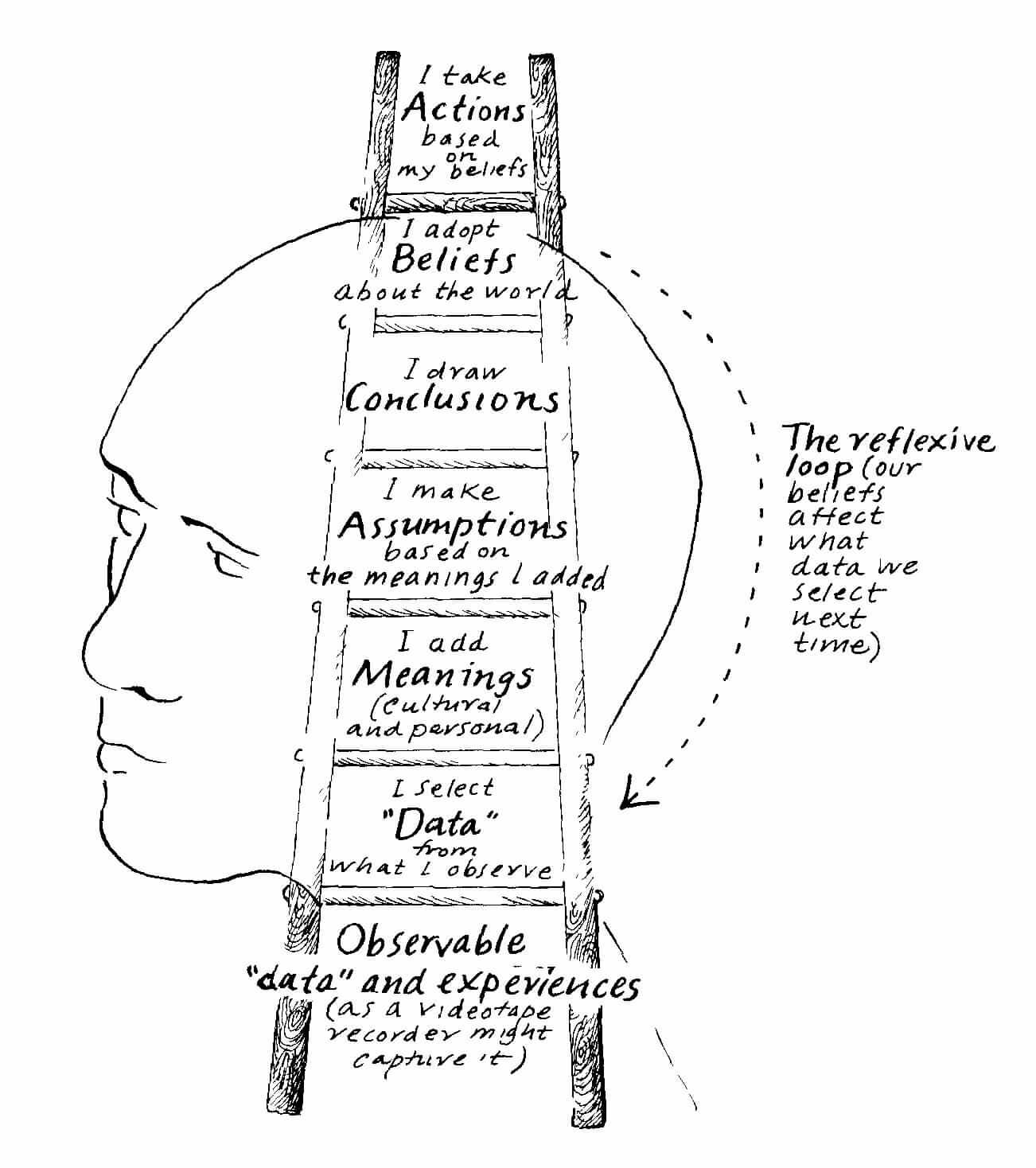
- Building my ability to use the ladder of inference in order to remove my personal gut response to situations and try to find a way to support the parties involved to come to a solution that worked for them
- Using open to learning conversations in order to coach colleagues and help them to identify how to resolve a situation or develop their ability to reflect on their practice
- Repressed personal aims and feelings in order to build stronger working relationships with colleagues
- Always try hard to reflect on how other people perceive a situation in order to support their progress and ensure I am putting in the required scaffolds of support to enable them to meet their goals
Ok that has made a start....now for the list of things I need to work on.....only joking.....there isn't enough room:)
Wednesday, 6 August 2014
Collaboration across schools and the impact of IES to NZ education
Following on from the presentation I did to our ELN cluster of schools, I have been working with year 5/ 6 teachers this week as they develop on their journey using GAFE.
It was really wonderful to get out of my school space, and see how others are using GAFE.
These teachers are just beginning on their journey and it was really nice to be able to feel that all the things we have learnt over the last few years has given us the knowledge to help others bypass some of the experimental processes we went through!
They are not yet BYOD and as yet not as far into using e-learning as we are, but they have a wonderful MLE in which to develop their pedagogy and practice...so jealous:) Also they are a group of 3 teachers who are excited, inspired and knowledgeable which was a lovely vibe to feel. The children in their group will be very lucky to have such great teachers who are so open, supportive and collaborative about working together honestly in order to focus on what we are all here for...our students and their achievement.
The whole process of giving my time ( which I struggle to find enough of as it is!) in order to support other people within education, is reinforcing my belief that for teachers often the best PD is found by being given the time to just work with other teachers within our community. To access all the knowledge we have around us and importantly the experience available that is contextualized to our group of schools. The important decsion we have coming up about our level of support for IES is both supported and negated by these experiences... on the one hand the overarching ideas of IES seem to replicate what I have said above. However the question remains...who will actually make the decisions about IES funding and who works together and when? It also matters what the hidden agenda of IES is? What are the actual political objectives? If it is for a long term- which would be best if we are aiming to allow time for the process to develop from an initiative..into an embedded pedagogical change- then politics has no 'election period' short term limits. Yet this initiative seems to have a time limit- aligned with political timelines- so I worry that really what we have is a PR stunt with a hidden agenda that will allow for an endgame that smacks of the reason I left the UK!
Here's hoping I am wrong:)
It was really wonderful to get out of my school space, and see how others are using GAFE.
These teachers are just beginning on their journey and it was really nice to be able to feel that all the things we have learnt over the last few years has given us the knowledge to help others bypass some of the experimental processes we went through!
They are not yet BYOD and as yet not as far into using e-learning as we are, but they have a wonderful MLE in which to develop their pedagogy and practice...so jealous:) Also they are a group of 3 teachers who are excited, inspired and knowledgeable which was a lovely vibe to feel. The children in their group will be very lucky to have such great teachers who are so open, supportive and collaborative about working together honestly in order to focus on what we are all here for...our students and their achievement.
The whole process of giving my time ( which I struggle to find enough of as it is!) in order to support other people within education, is reinforcing my belief that for teachers often the best PD is found by being given the time to just work with other teachers within our community. To access all the knowledge we have around us and importantly the experience available that is contextualized to our group of schools. The important decsion we have coming up about our level of support for IES is both supported and negated by these experiences... on the one hand the overarching ideas of IES seem to replicate what I have said above. However the question remains...who will actually make the decisions about IES funding and who works together and when? It also matters what the hidden agenda of IES is? What are the actual political objectives? If it is for a long term- which would be best if we are aiming to allow time for the process to develop from an initiative..into an embedded pedagogical change- then politics has no 'election period' short term limits. Yet this initiative seems to have a time limit- aligned with political timelines- so I worry that really what we have is a PR stunt with a hidden agenda that will allow for an endgame that smacks of the reason I left the UK!
Here's hoping I am wrong:)
Friday, 18 July 2014
PLG group and the multiplier effect
Last term I joined a professional learning group facilitated by Maggie Ogram from Osprey Consulting.
The reasons for this are two fold:
First I knew that as I am relatively new to educational leadership and for that matter also to education itself- I have only been qualified as a teacher for 4 years!- that I need to ensure that I am double checking myself continually. Luckily I am an over achieving autodidact, who thrives on learning new things and I always research a concept or finding to ensure that what I am doing is pedagogically sound, and also proven to be effective. However I am keenly aware of what I don't know and so this PLG gives me an opportunity to collaborate in areas about which I may be unsure.
Secondly I knew that as my fellow DP was leaving, I would be loosing a very important professional relationship- the person whom I can bounce ideas off, have heated discussions with about practice and research ( not quite arguments as we have total respect for each other! but definitely good sound constructive conversations that lead to shared understandings) and who generally acted as a coach and mentor in one. So I knew that within the current structure of our school, I wouldn't be able to find that relationship for a while ( however approachable I ensure I am with other staff, it does seem that once one hits management level that people won't argue with you! and I need people to have a good argument/conversation with!) so the PLG has given me a forum with which to share ideas, bounce good conversations around and generally given me a group of coaches of which we are all equal and can all contribute valid points.
This last term we have looked at Certain readings in order to stimulate conversations in areas we all agreed we needed to work.
The first reading was around the kind of leader we are:
This is an excellent from a very interesting and thought provoking book

The ideas in this give a great reference point from which to set a series of leadership goals and I am finding that having these pinned to my wall above my lonely little desk in the dungeon office are helping to keep me connected with what is important to focus on

The reasons for this are two fold:
First I knew that as I am relatively new to educational leadership and for that matter also to education itself- I have only been qualified as a teacher for 4 years!- that I need to ensure that I am double checking myself continually. Luckily I am an over achieving autodidact, who thrives on learning new things and I always research a concept or finding to ensure that what I am doing is pedagogically sound, and also proven to be effective. However I am keenly aware of what I don't know and so this PLG gives me an opportunity to collaborate in areas about which I may be unsure.
Secondly I knew that as my fellow DP was leaving, I would be loosing a very important professional relationship- the person whom I can bounce ideas off, have heated discussions with about practice and research ( not quite arguments as we have total respect for each other! but definitely good sound constructive conversations that lead to shared understandings) and who generally acted as a coach and mentor in one. So I knew that within the current structure of our school, I wouldn't be able to find that relationship for a while ( however approachable I ensure I am with other staff, it does seem that once one hits management level that people won't argue with you! and I need people to have a good argument/conversation with!) so the PLG has given me a forum with which to share ideas, bounce good conversations around and generally given me a group of coaches of which we are all equal and can all contribute valid points.
This last term we have looked at Certain readings in order to stimulate conversations in areas we all agreed we needed to work.
The first reading was around the kind of leader we are:
This is an excellent from a very interesting and thought provoking book
The ideas in this give a great reference point from which to set a series of leadership goals and I am finding that having these pinned to my wall above my lonely little desk in the dungeon office are helping to keep me connected with what is important to focus on
Wednesday, 9 July 2014
Presentation for ELN 2014
This is the second time I have presented to a group of peers through our ELN PLG group. This time my self confidence in what I was doing was much higher. I thoroughly enjoyed being able to share what we have been working towards at MBS and the huge leaps we have made over the past few years in our use of blended elearning.
Consequently I have been asked by a couple of schools to work with their staff as they build their ability to use GAFE. This kind of collaboration is hugely valuable to educators as it gives us a means to share our skills and ideas in order to improve educational outcomes for whole groups of schools. All PLD should be this collaborative.
Wednesday, 9 April 2014
Building capacity
As a whole staff we engaged in many hours of work last year, in the area of analysing data. Across writing and maths especially we are seeing school wide movement that shows how well our teachers know their students and conversations with students has meant that the students also know themselves. With the advent of BYOD this year for more of the school, we are starting to build capacity for staff and students to use online assessment tools. Such as exit ticket. Nearpod , google forms, voice thread, showme, khan academy and many more. This is allowing for instant assessment , which means learning to need, and even more powerfully... Learning to need and interest. This equals total engagement.
Monday, 10 March 2014
Having those difficult conversations
Communicating is a big, complicated problem! I find that I am relying more and more on keeping in my head the structure of open to learning conversations and a mental image of the ladder of inference. I worry that if I don't then I may slip into letting my personal belief system or values cloud my ability to remain impartial and focused only on the goal that the conversation is meant to resolve.
Open to Learning Conversations

Open to Learning Conversations
Subscribe to:
Posts (Atom)